30 Things About Screenwriting: Imagematic writing
Good screenwriting is visual writing. After all, movies are: Motion. Pictures.
Good screenwriting is visual writing. After all, movies are: Motion. Pictures.
Consider poetry. How a poem can take a simple moment — a boy watching a moth, an old man splayed on a porch chair, a single drop of rain trickling down a window — and create a universe of meaning. And what are screenplays but a series of meaningful moments?
Then there is the use of language in poems. When you read a line of poetry from a writer like Tom Chandler (“To the Woman at the Red Edge Motel”):
Some tourist of love in his cheap suit of longing elbows the bar in the lounge of no last names.
Or Howard Nemerov (“Fiction”):
The people in the elevator all, face front, they all keep still, they all look up with the rapt and stupid look of saints.
Those lines read like a screenplay’s scene description. They depict the scene, but equally as important they convey the mood and tone of the moment, making it become that much more alive and vivid in the imagination of the reader.
Screenwriters are not chained to complete sentences. We are free to create images however we can. So when Shane Black (Lethal Weapon) writes about a suicide victim:
She lies, dead, like an extinguished dream. Still beautiful.
Or Walter Hill (Hard Times) describes a street brawl:
Speed’s man tries a kick. Gets knocked backward for his trouble. Grapple. Hair pull. Powerful men but without grace.
Those are examples of what I call imagematic writing — using words to create strong, visual images. Imagematic writing, along with psychological writing, is a second storytelling sensibility tied to style.
Here are three touchstones for effective imagematic writing:
- Verbs
- Descriptors
- Poetics
Verbs: This is Narrative Voice relating to us the active nature of the story’s present tense.
Descriptors: This is Narrative Voice capturing key visuals happening in the moment.
Poetics: This is Narrative Voice using words to evoke a sense of place, mood, and tone.
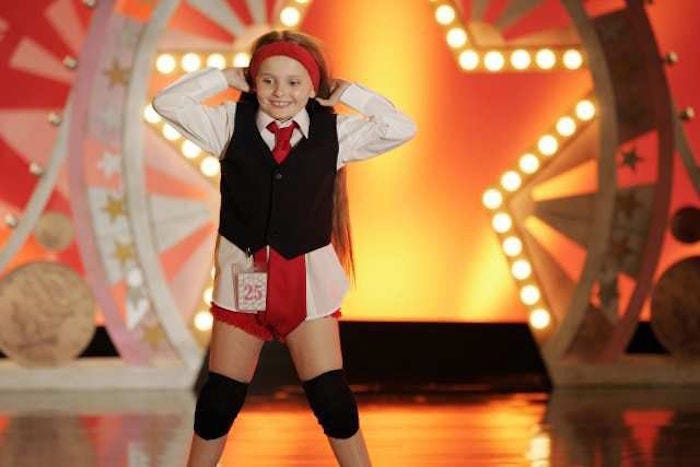
So when Michael Arndt describes Olive’s dance routine in Little Miss Sunshine:

And when Joe Eszterhas details a murder on Page 1 of Basic Instinct:

Or when David Webb Peoples paints a picture of a key moment in Unforgiven:


Each is an example of imagematic writing, an expression of Narrative Voice as what else — a poet.
Such stylistic choices are fundamentally connected to the specific type of story we are telling and the genre’s impact on our Narrative Voice, but there are ample reasons for you to look at scene description more as poetry than prose.
Think: Imagematic writing.
For the rest of the 30 Things About Screenwriting series, go here.